Temperature Sensors
Reference sensors, DLC probes, and temperature modules used with dry-wells, baths, and readouts — JOFRA, Additel, and related lines.
Role of the reference sensor
A temperature calibrator creates the environment; the reference probe (or the calibrator’s internal sensor) is what you trust for comparison. Better probes and proper immersion improve uncertainty.
Common types
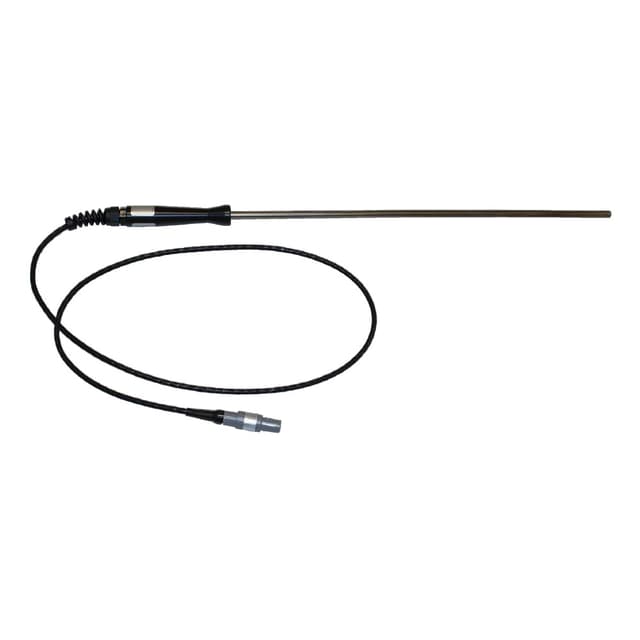
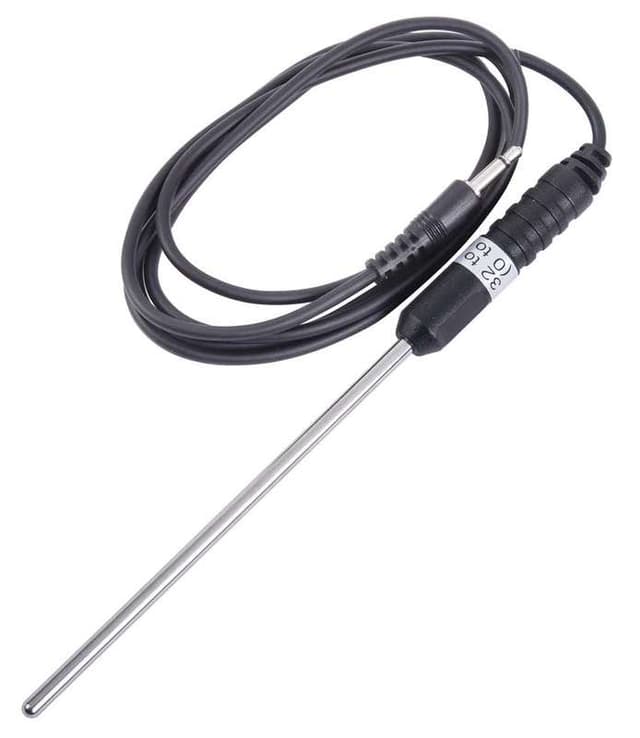
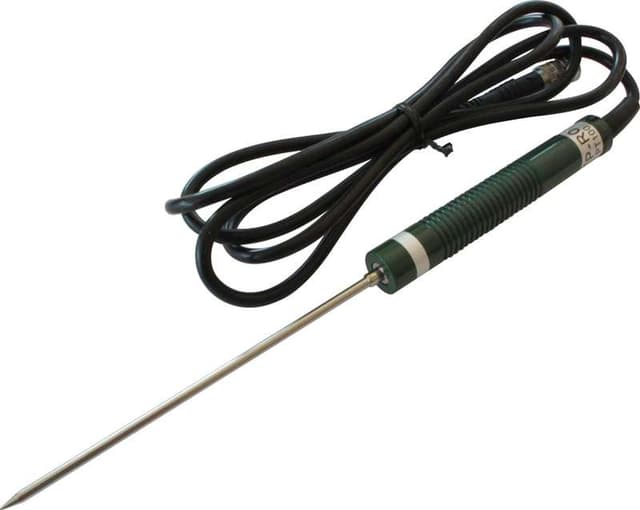
- Reference RTDs / SPRTs — low uncertainty laboratory and industrial references.
- Thermocouples — higher temperatures and rugged industrial checks.
- DLC / special probes — application-specific inserts and sensors called out by OEM.
- Temperature modules — plug-in sensors for multifunction platforms.
Selection tips
Match diameter and length to your dry-well insert, confirm the connector on your readout, and pick a range that covers the UUT with margin.
Choosing a reference sensor
Ranges and compatibility are from AMETEK (JOFRA and Crystal) documentation as carried on our product pages.
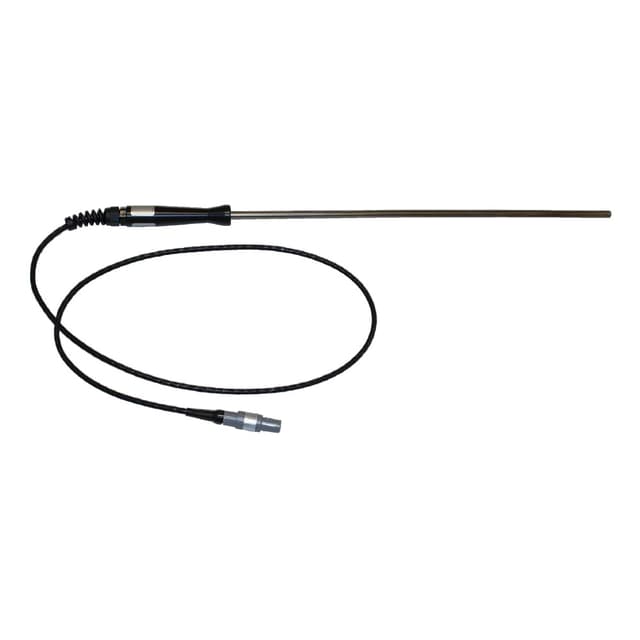
- JOFRA STS-050: Pt100, −50 to 400 °C. For use with DTI, PTC, RTC, HPC, ATMi and ASC instruments.
- JOFRA STS-100: Pt100, −150 to 650 °C, for verifying true temperature in handheld, liquid-bath and dry-block calibrators.
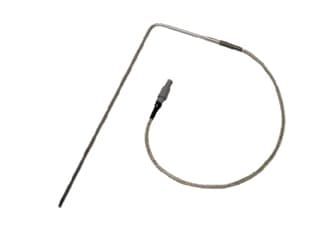
- JOFRA STS-102: a short, cable-type Pt100 for short and sanitary applications, −45 to 155 °C.
- JOFRA STS-120: Pt100, designed for JOFRA CTC calibrators. Types cover −45 to 155 °C, 0 to 350 °C and 0 to 660 °C.
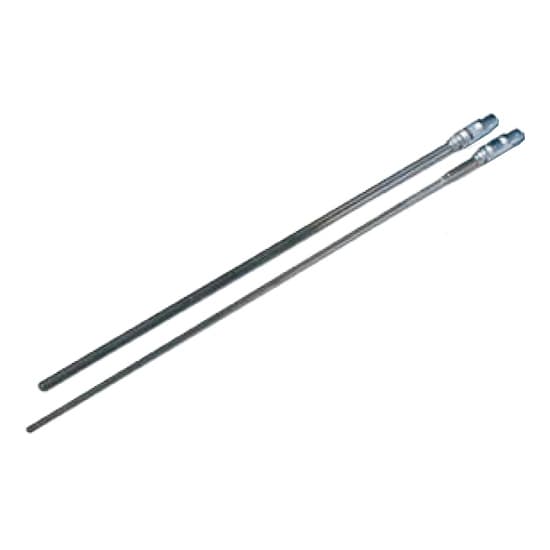
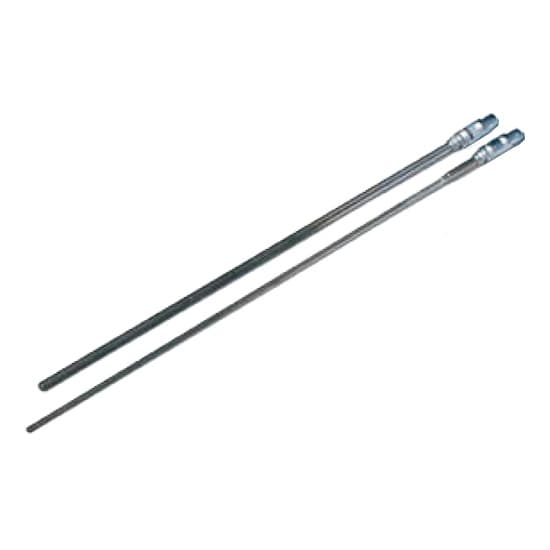
- JOFRA STS-200: Pt100 for dry-block calibrators, including 90° angled versions, with types from −100 °C up to 700 °C.
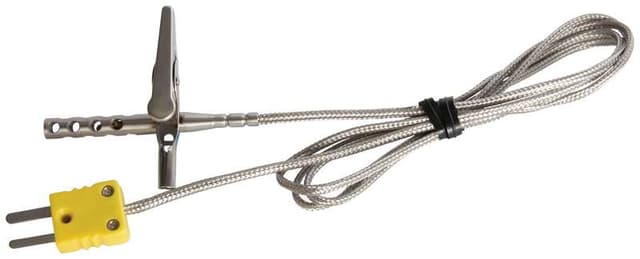
- JOFRA STS-TC: a plug-and-play thermocouple reference for JOFRA CTC calibrators. The STS-TC-N (type N) covers 100 to 1205 °C for the CTC-1205.
- The JOFRA STS-150 is also part of the current STS series.
- JOFRA DLC sensor: used with an RTC, it compensates for heat exchange between the dry block and the sensor under test.
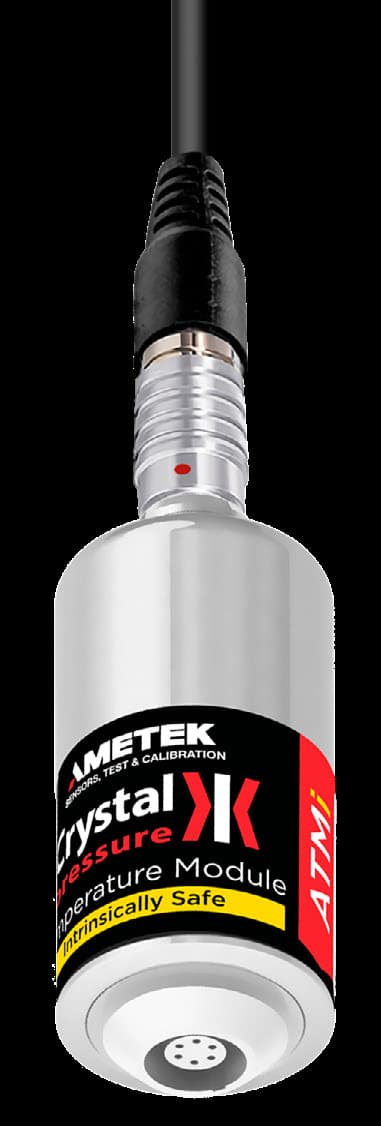
- Crystal ATMi: an intrinsically safe temperature module for the HPC50, ±(0.015% of reading) + 0.02 Ω on Pt100 RTDs. Two ATMi modules fit per HPC50.
REED type K probes by application
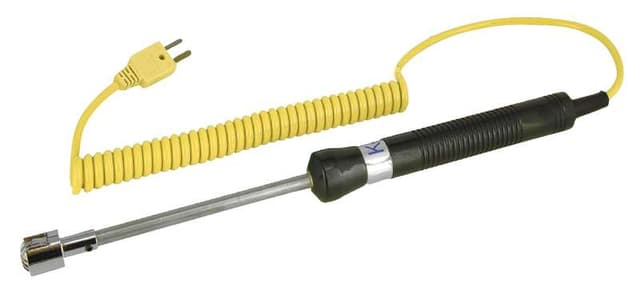
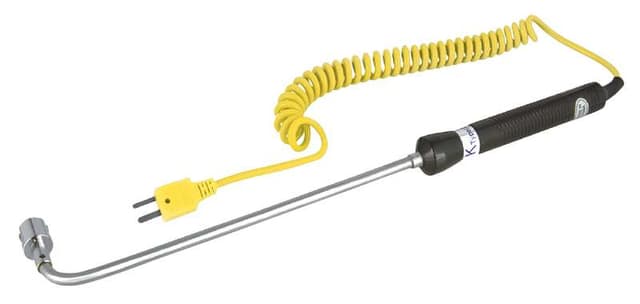
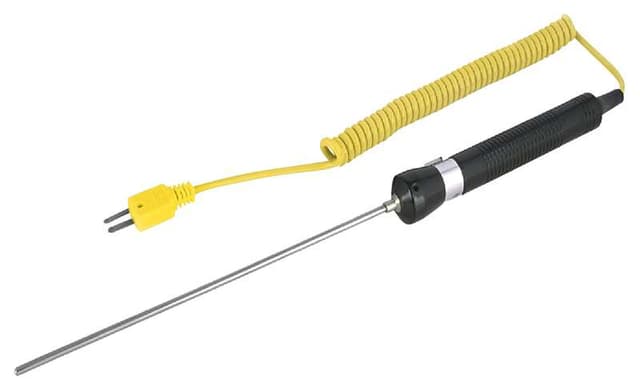
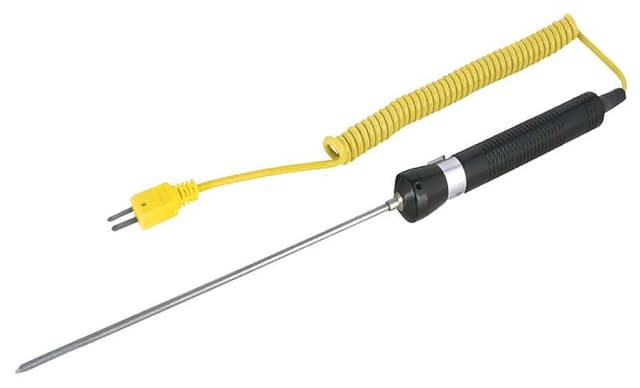
- Surfaces: R2920 (−50 to 500 °C), or R2930 90° (−50 to 500 °C).
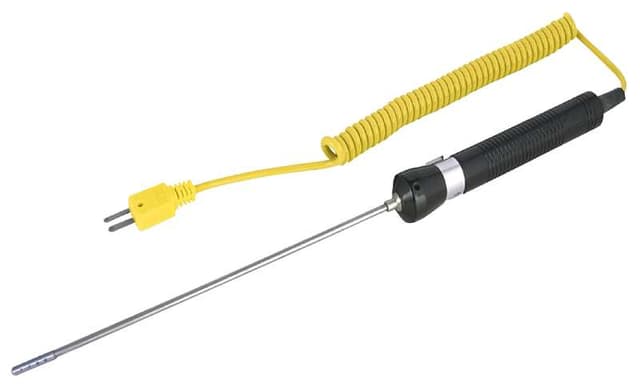
- Air or gas: R2940, to 900 °C (1652 °F).
- Liquids: R2950 immersion probe, −50 to 600 °C.
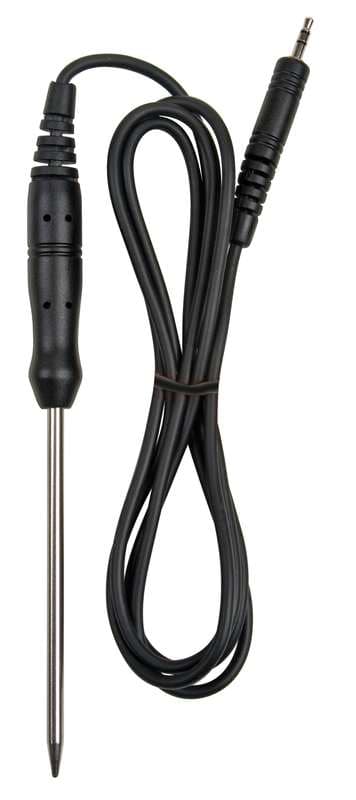
- Penetration: R2960 needle probe, −50 to 600 °C.
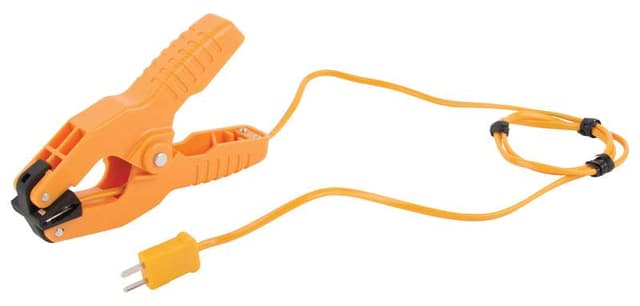
- Pipes: R2970 pipe clamp probe, −40 to 200 °C.
- Ovens and freezers: R2980, −80 to 200 °C.
Models in this category
Reference sensors and modules
- Crystal ATMi Series Advanced Temperature Module Intrinsically Safe
- JOFRA DLC Dynamic Load Compensation Sensor
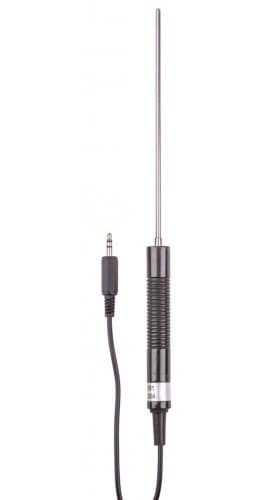
- JOFRA STS-050 Reference Sensor
- JOFRA STS-100 Reference Sensor
- JOFRA STS-102 Reference Sensor
- JOFRA STS-120 Reference Sensor
- JOFRA STS-150 Reference Sensor
- JOFRA STS-200 Reference Sensor
- JOFRA STS-TC Thermocouple Reference Sensor
Thermocouple and RTD probes
- REED R2920 Type K Surface Probe
- REED R2930 Type K 90° Surface Probe
- REED R2940 Type K Air/Gas Probe
- REED R2950 Type K Immersion Probe
- REED R2960 Type K Needle Probe
- REED R2970 Type K Pipe Clamp Thermocouple Probe: measurement range: -40 to 392°F (-40 to 200°C).
- REED R2980 Type K Air Oven/Freezer Thermocouple Probe: measurement range: -112 to 392°F (-80 to 200°C).
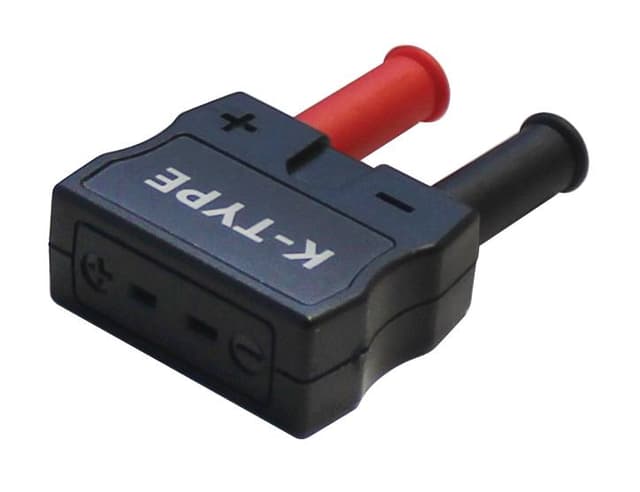
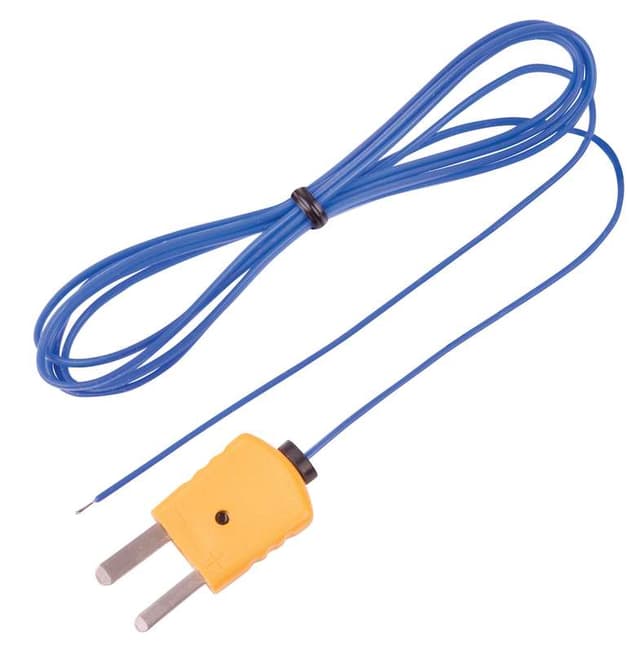
Accessories and replacement parts: REED 87P6 Temperature Probe for 8706, REED LS-181 Connector, REED LS-182 Connector, REED R2450SD-RTD Probe, REED R2990 Thermocouple Adapter, REED R3000SD-ATC Probe, REED TP-01 Beaded Thermocouple Wire Probe, REED TP-R01 Replacement RTD Probe for C-370.
Frequently asked questions
Which JOFRA reference sensor works with CTC calibrators?
The STS-120 Pt100 is designed for JOFRA CTC calibrators. The STS-TC thermocouple reference is plug-and-play with CTC calibrators, and the STS-TC-N covers 100 to 1205 °C for the CTC-1205.
Which reference sensor covers the widest range?
The JOFRA STS-100 covers −150 to 650 °C. The STS-200 types reach up to 700 °C, and the STS-TC-N reaches 1205 °C.
Is there a short reference sensor for sanitary applications?
Yes. The JOFRA STS-102 is a short, cable-type Pt100 sensor for short and sanitary applications, −45 to 155 °C.
What does the JOFRA DLC sensor do?
Used with a JOFRA RTC calibrator, the DLC sensor compensates for heat exchange between the dry block and the sensor under test.
Which REED probe should I use for air or gas temperature?
The REED R2940 type K air/gas probe, rated to 900 °C (1652 °F). For ovens and freezers, the R2980 covers −80 to 200 °C.
Calibration
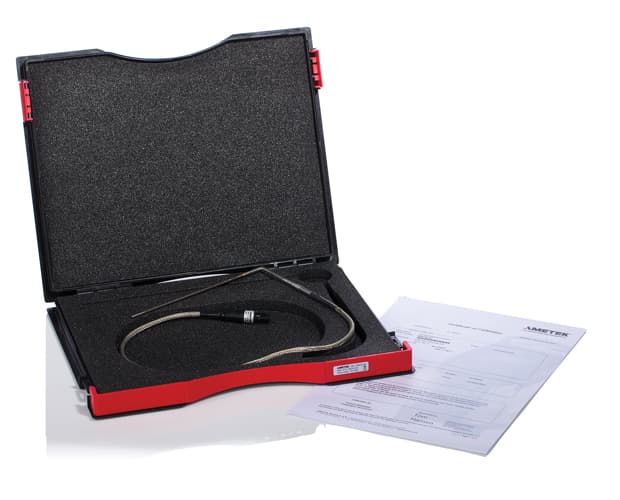
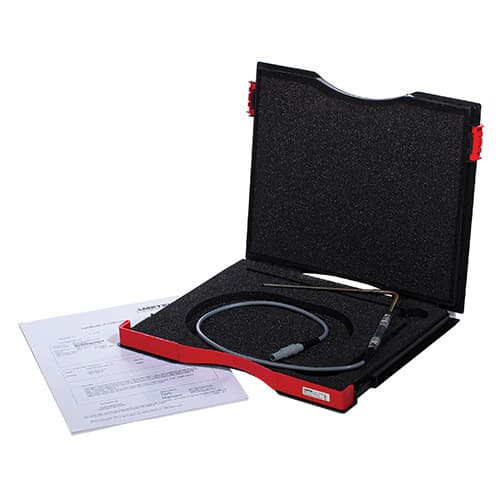
Reference sensors and modules can usually ship with ISO/IEC 17025 accredited calibration. Request points that match your procedure.
24 products found
Brand pages: Crystal · JOFRA · REED Instruments