Pressure Hand Pumps & Test Pumps
Pressure generation for calibration and test — hand pumps, hydraulic kits, volume controllers, and regulators from Ralston, Additel, and related lines. Pair with gauges and Quick-test hoses; ISO/IEC 17025 calibration applies to the measuring instruments more often than to the pump itself.
What generation gear does
Pumps and volume controllers create pressure (or vacuum) so you can exercise a gauge, transmitter, or switch. The pump is the muscle; a reference gauge or calibrator is still the standard.
Pneumatic vs hydraulic
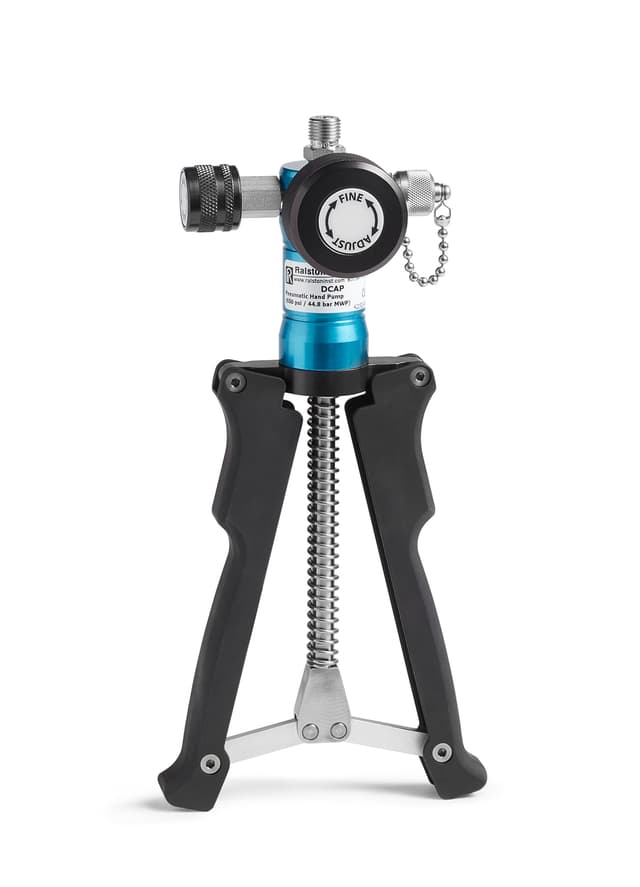
- Pneumatic hand pumps — fast for lower pressures and many field checks; watch for moisture/oil in the media path.
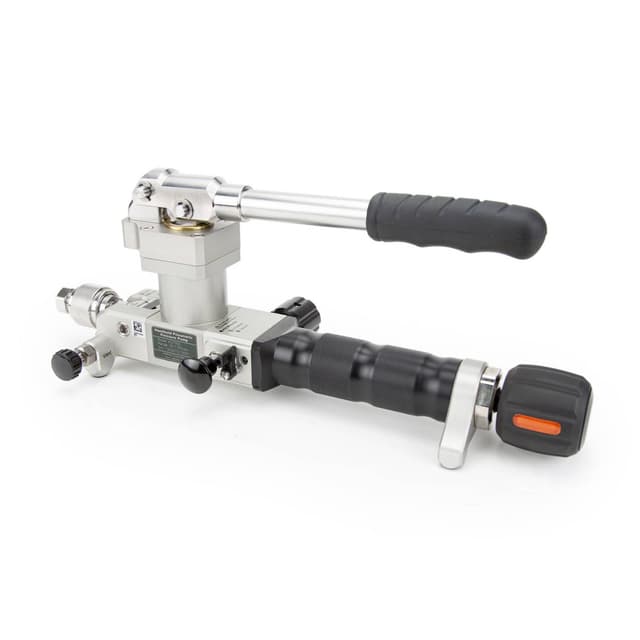
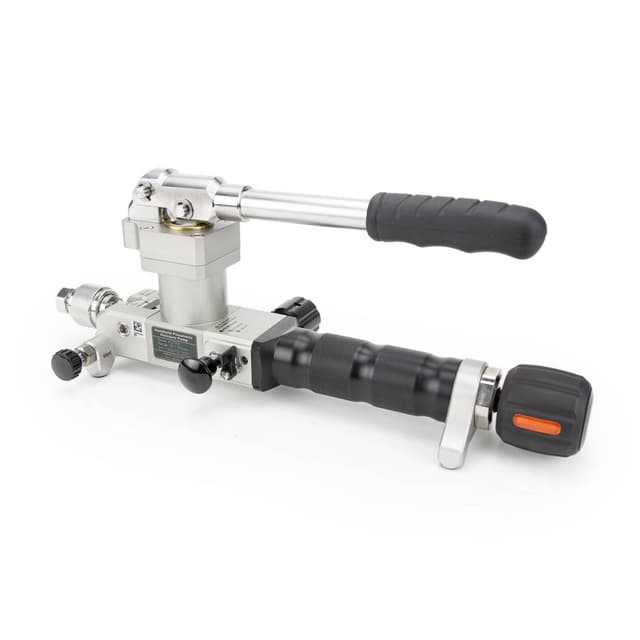
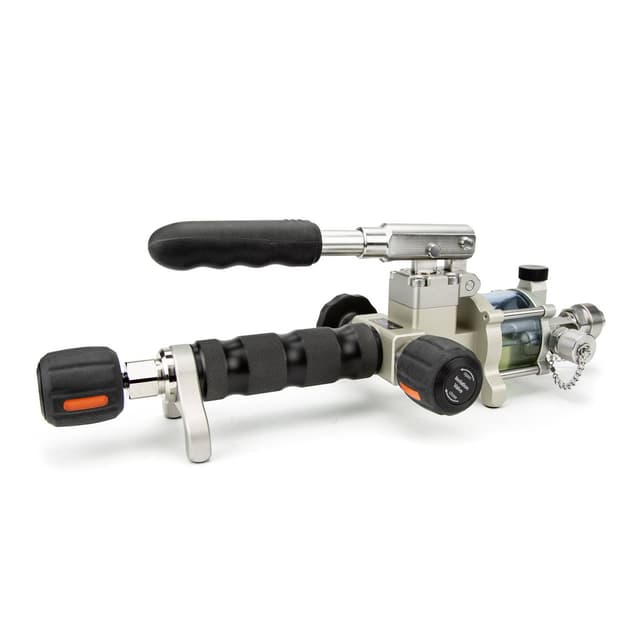
- Hydraulic pumps / kits — higher pressures with oil or water/compatible fluids.
- Volume controllers / fine adjust — precise tweaking near setpoint once coarse pressure is applied.
- Regulators — stable supply from bottles or shop air into a calibration setup.
Building a field kit
1. Choose generation (pump) for the max pressure you need. 2. Add a reference gauge or calibrator at the right accuracy. 3. Use Quick-test / CPF fittings and hoses so connections are repeatable and leak-tight. 4. Carry spare seals and the correct fluid for hydraulic work.
Brands in this category
Ralston pumps and generation accessories, Additel generation options, and fittings/hoses sold alongside in Fittings & Adapters and Hoses.
Pumps on this site
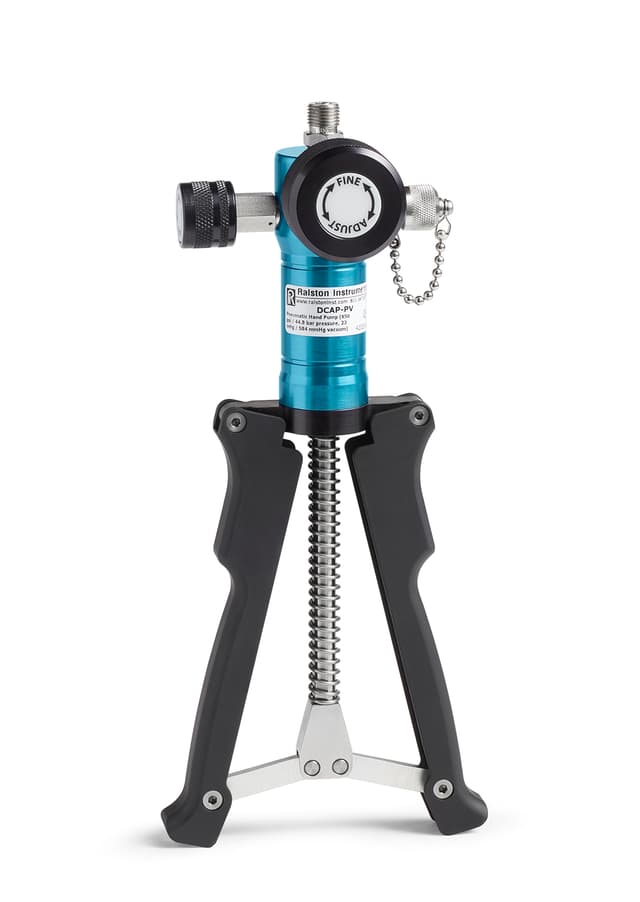
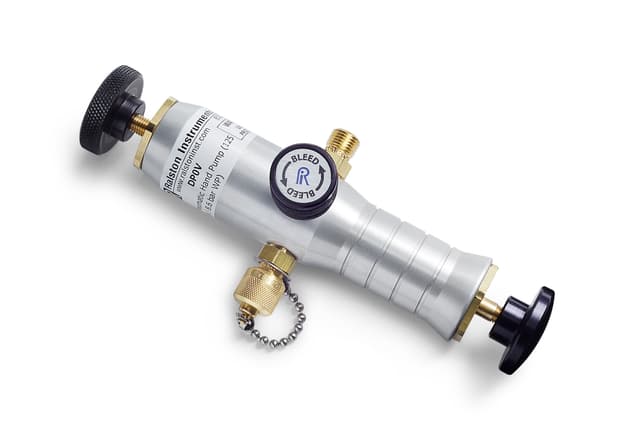
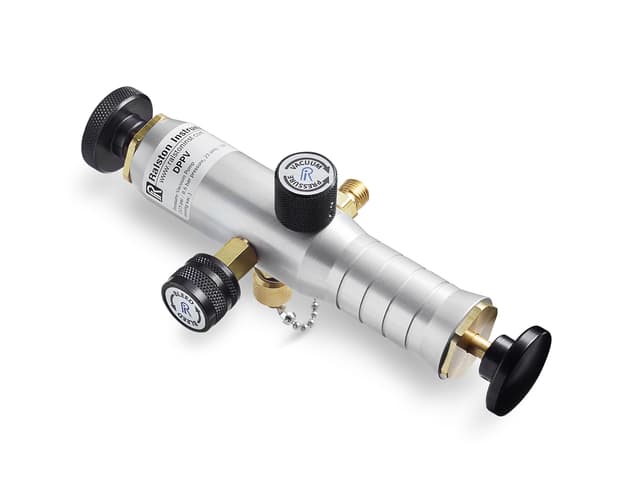
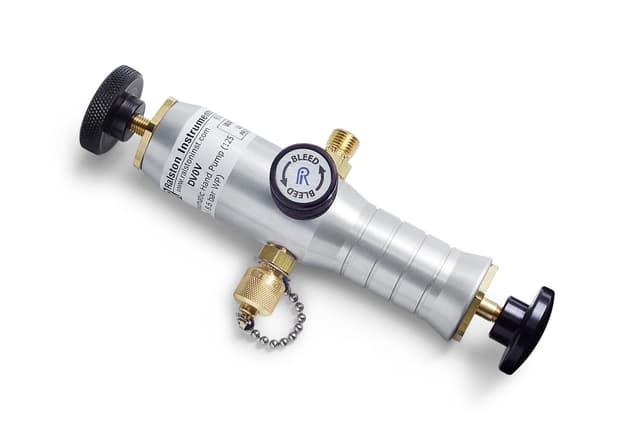
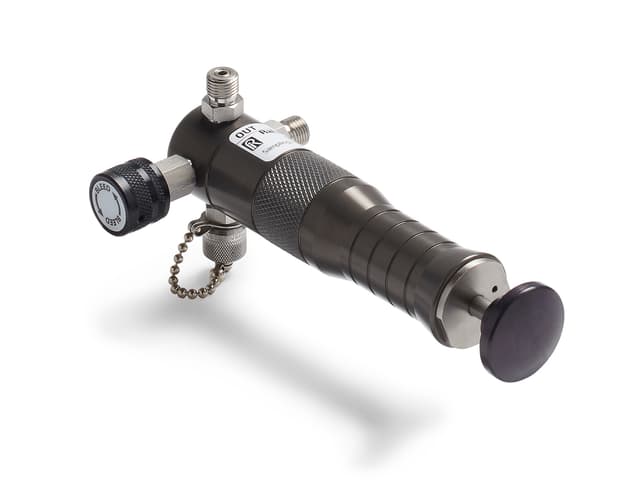
- Ralston pneumatic — DPPV, DP0V, DCAP and DCAP-PV pressure / vacuum hand pumps; DV0V vacuum hand pump.
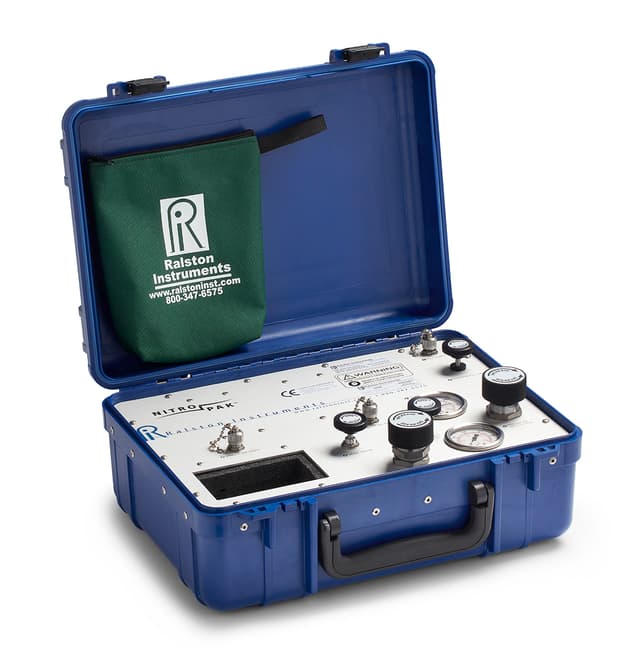
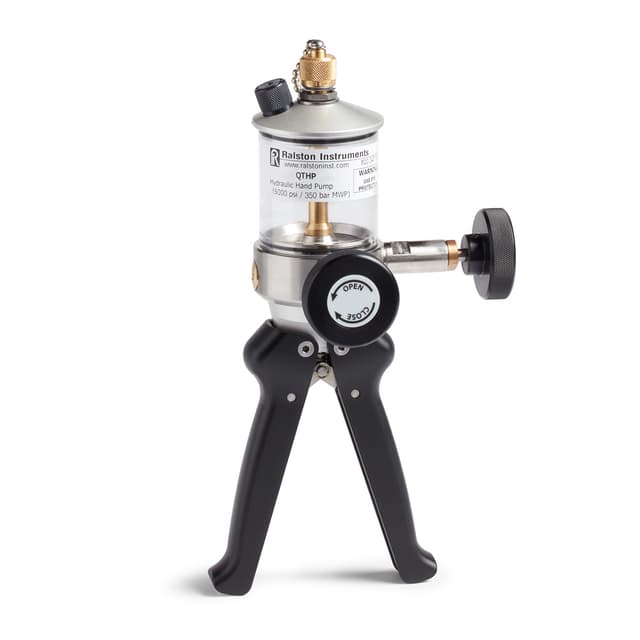
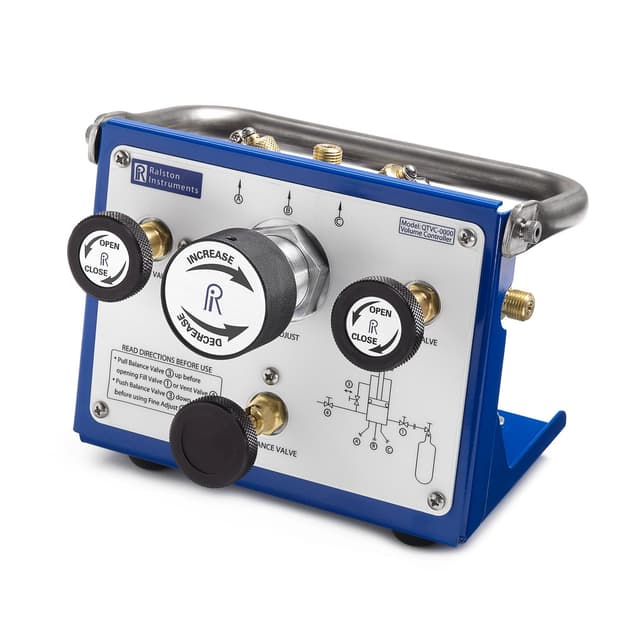
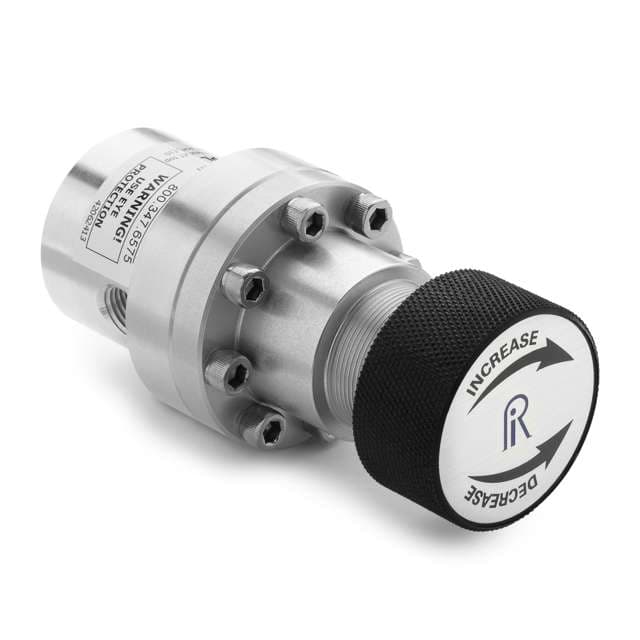
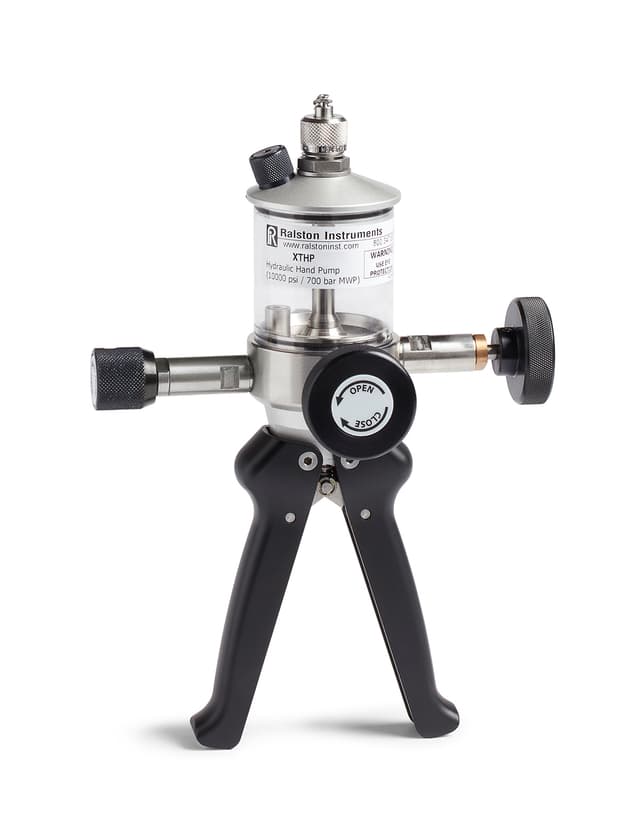
- Ralston hydraulic and gas — XTHP hydraulic hand pump, QTHP hydraulic kits, QTVC volume controller, XREG regulators and NitroPak.
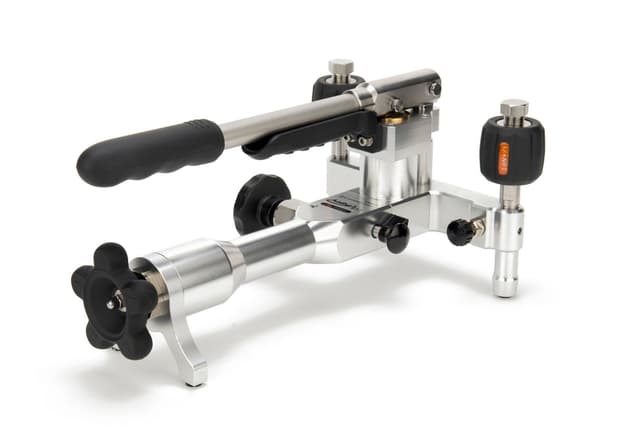
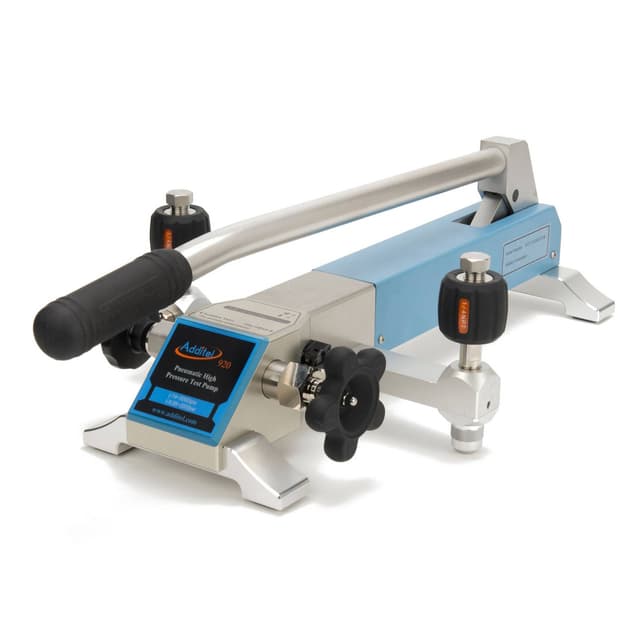
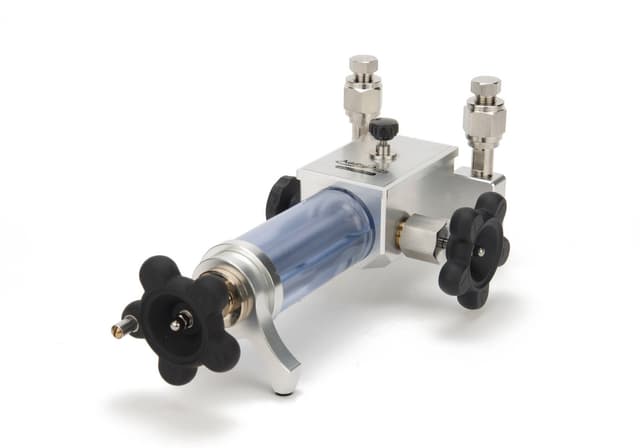
- Additel pneumatic — 992 and 993 handheld pumps; 917, 918 and 920 / 920HV test pumps.
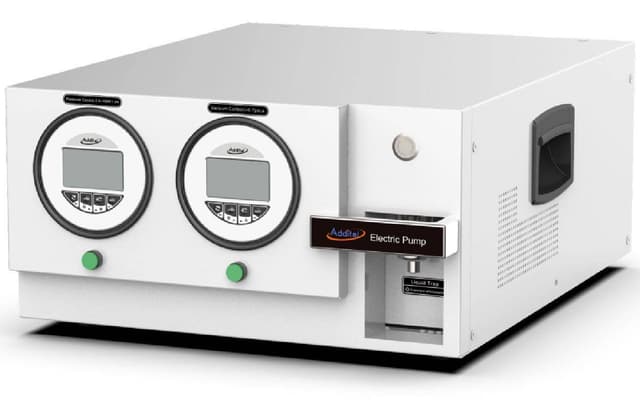
- Additel hydraulic — 997, 925 / 925W, 927 / 927W, 946A and 960 ultra-high pressure; 780-1K electric pump.
Read the pump against a digital pressure gauge or pressure calibrator.
Hand pump buying guide
A calibration hand pump generates the pressure or vacuum; a reference gauge or calibrator measures it. Choose by maximum pressure first, then by media and fine adjustment. All figures below come from Ralston and Additel specifications.
Low pressure and vacuum (to 125 psi)
- The Ralston DPPV generates up to 125 psi (8.6 bar) or vacuum to −23 inHg, with 0.01 psi fine adjustment.
- The Ralston DP0V is pressure only (0 to 125 psi) with the same 0.01 psi fine adjustment, for low-pressure and differential testing.
- The Ralston DV0V generates vacuum only.
Pneumatic to 3,000 psi
- Ralston DCAP and DCAP-PV: up to 650 psi (45 bar) with 0.001 psi fine adjustment. The DCAP-PV also pulls −28.5 inHg vacuum.
- Additel handheld pumps: the 992 (to 700 psi) and 993 (to 1,000 psi) both reach 95% vacuum.
- Additel test pumps: the 917 (1,000 psi), 918 (1,500 psi) and 920 (3,000 psi, reached in about 40 seconds) add a screw-press fine adjust to 10 Pa and a built-in gas-liquid isolator.
- Bottled nitrogen: the Ralston QTVC controls it to 3,000 psi with 0.0005 psi fine adjustment. The NitroPak carries its own 15.2 cu ft cylinder.
Hydraulic to 60,000 psi
- 5,000–6,000 psi: Ralston QTHP kits reach 5,000 psi and come with an LC10 digital gauge, hose and adapters. The Additel 925 reaches 6,000 psi.
- 10,000 psi: the Ralston XTHP, Additel 997 and Additel 927.
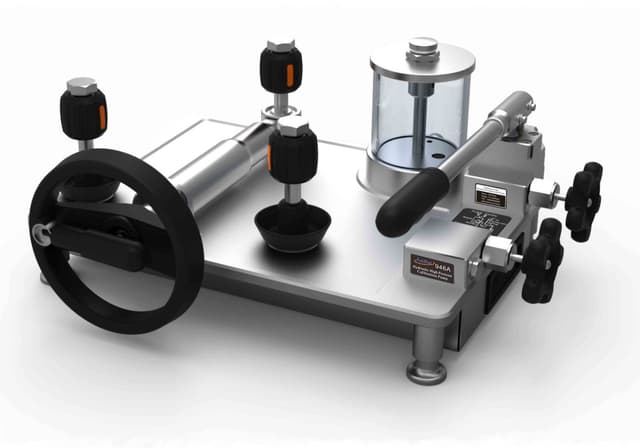
- 15,000 psi, benchtop: the Additel 946A.
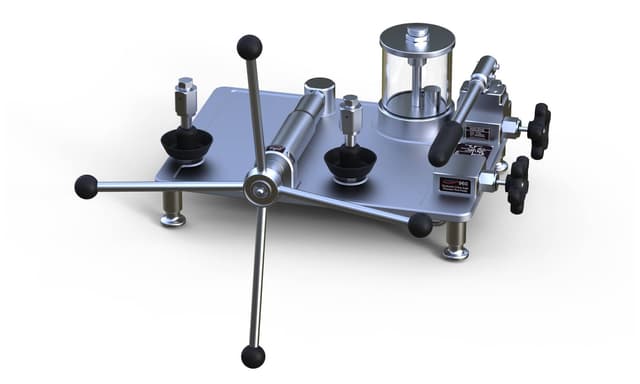
- 60,000 psi: the Additel 960, with Autoclave F-250-C ports.
Comparison test pumps (pressure comparators)
Additel describes several of its pumps as comparison test pumps. These let a reference gauge and the device under test connect to the same pressure, so you can compare them directly.
- Pneumatic: the 917 (to 1,000 psi) and 918 (to 1,500 psi). Both have two hand-tight quick connectors, a shut-off valve and a built-in gas-liquid isolator.
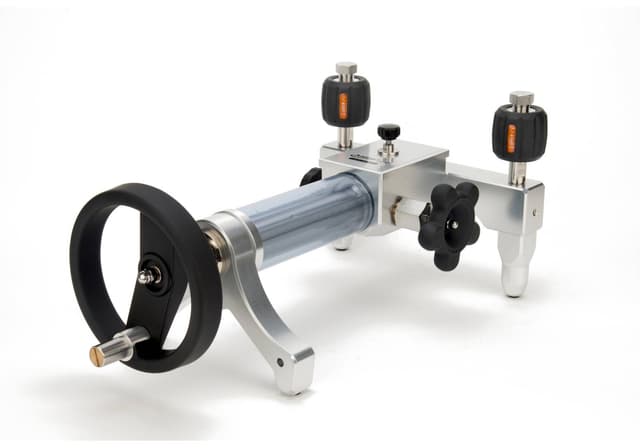
- Hydraulic, handheld: the 925 (to 6,000 psi) and 927 (to 10,000 psi). Both use a patented screw press with no check valve and have two hand-tight quick connectors.
- Hydraulic, benchtop: the 946A (to 15,000 psi, three hand-tight quick connectors and an isolation valve) and the 960 (to 60,000 psi, two Autoclave F-250-C ports).
Oil or water
The Additel 925, 927 and 946A ship for oil. Order the W version (925W, 927W, 946AW) for deionized water. The Additel 960 uses diethylhexyl sebacate.
No-hand-pumping option
The Additel 780-1K electric pump generates vacuum to 1,000 psi of air for the Additel 780 controller, with no nitrogen bottle.
More models in this category
Frequently asked questions
Should I choose a pneumatic or a hydraulic hand pump?
Pneumatic pumps cover vacuum and lower pressures: to 125 psi on the Ralston DPPV and DP0V, 650 psi on the DCAP, and up to 3,000 psi on the Additel 920. Hydraulic pumps cover higher pressures: 5,000 psi on the Ralston QTHP, 10,000 psi on the XTHP, Additel 997 and 927, and up to 60,000 psi on the Additel 960.
Which hand pumps also generate vacuum?
The Ralston DPPV (to −23 inHg), DCAP-PV (to −28.5 inHg) and DV0V. The Additel 992, 993, 917, 918 and 920 reach 95% vacuum, and the 925 and 927 reach 85% vacuum.
Can I use water instead of oil in a hydraulic pump?
Yes, on models with a water version: order the Additel 925W, 927W or 946AW for deionized water. The standard 925, 927 and 946A ship for oil.
What is the finest pressure adjustment available?
The Ralston QTVC volume controller adjusts to 0.0005 psi, and the Ralston DCAP and DCAP-PV to 0.001 psi.
Does a hand pump need to be calibrated?
No. The pump only generates pressure, so calibrate the reference gauge or calibrator in the loop. We can include accredited calibration on the instrument you pair with the pump.
Note on calibration
Hand pumps are typically not “calibrated” like a gauge; calibrate the reference instrument in the loop. We can include accredited cal on the gauge/calibrator you pair with the pump.
23 products found
Brand pages: Additel · PIE · Ralston